Robotics for everyone
Whether you're picking up your first Arduino or wondering how to set up a CAN bus, Weekly Robotics has you covered. Friendly, practical, jargon-light guides published every Monday.
This week's guide
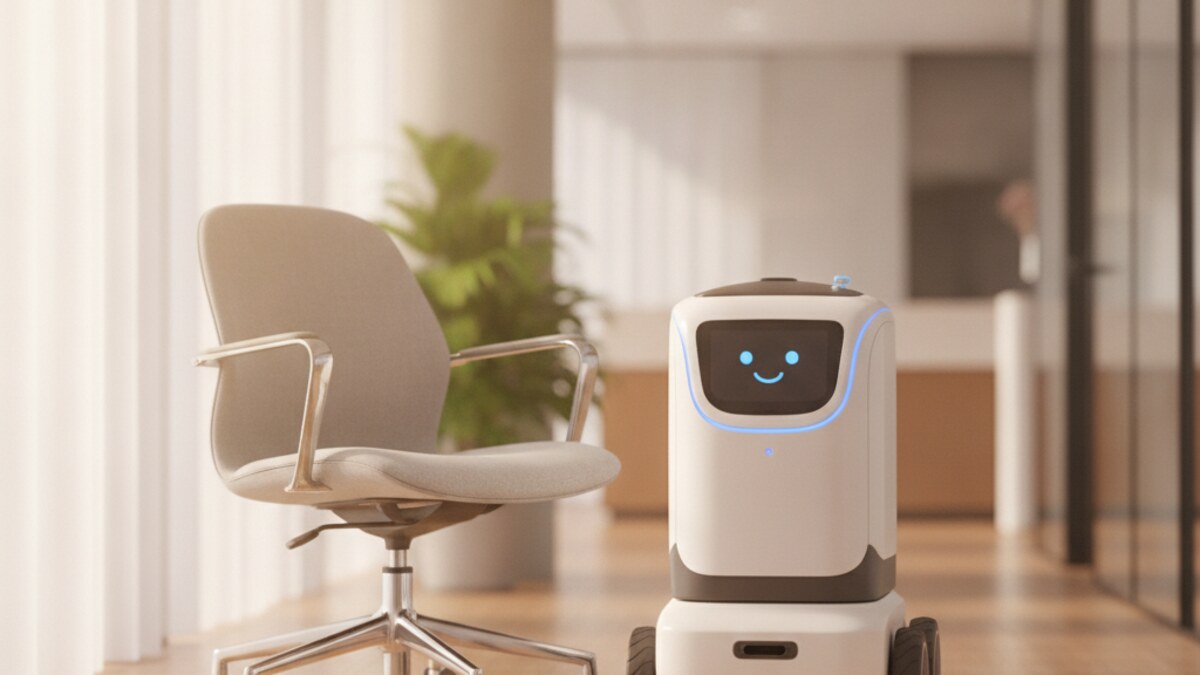
Nav2 Costmaps & Local Planners
How Nav2 turns a map and live sensor data into a grid of costs, and how the local controller uses that grid to follow a path without bumping into things.
Read tutorial →Recent tutorials
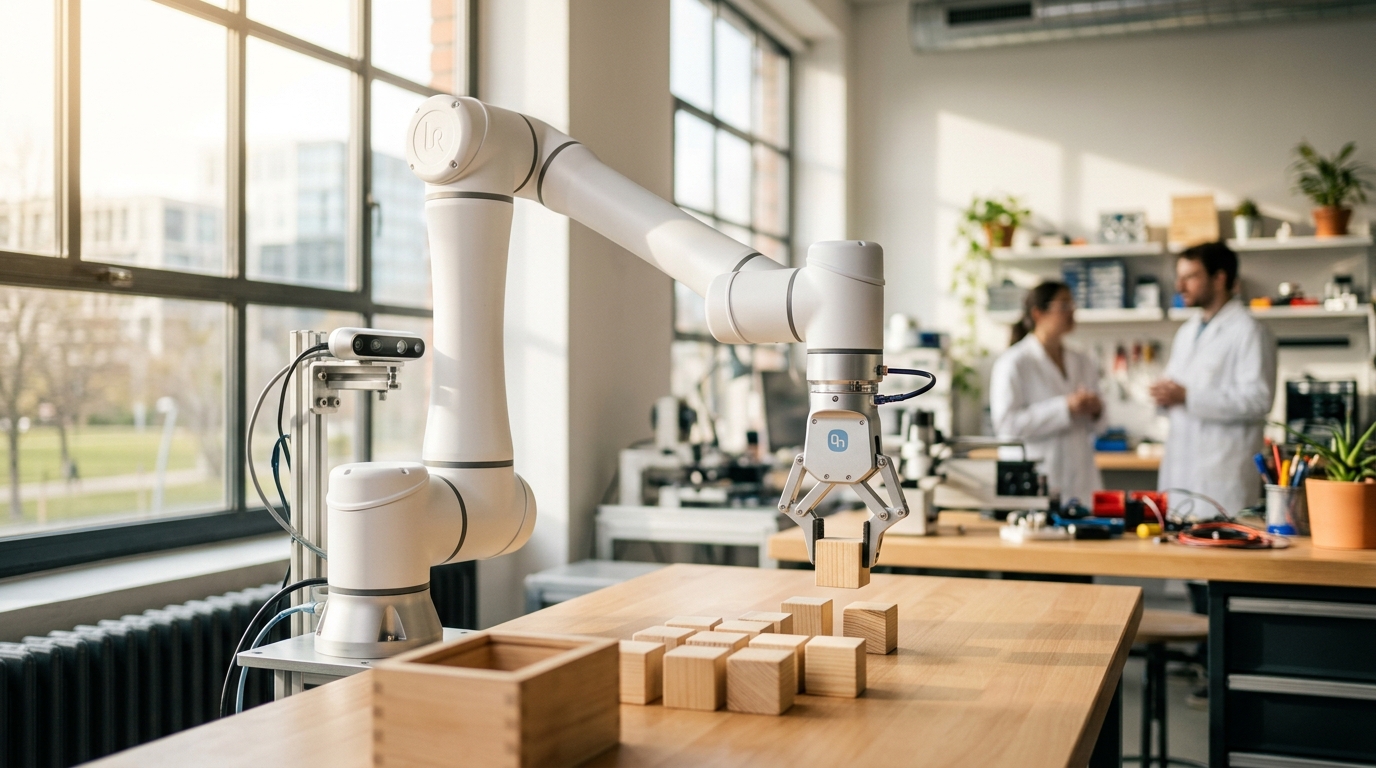
Grasping: From Detection to Pick-and-Place
Seeing an object and planning a path are only two links in the chain. Learn how a grasp pose bridges perception and motion, and how MoveIt Task Constructor stitches approach, grasp, lift, and place into one plan.
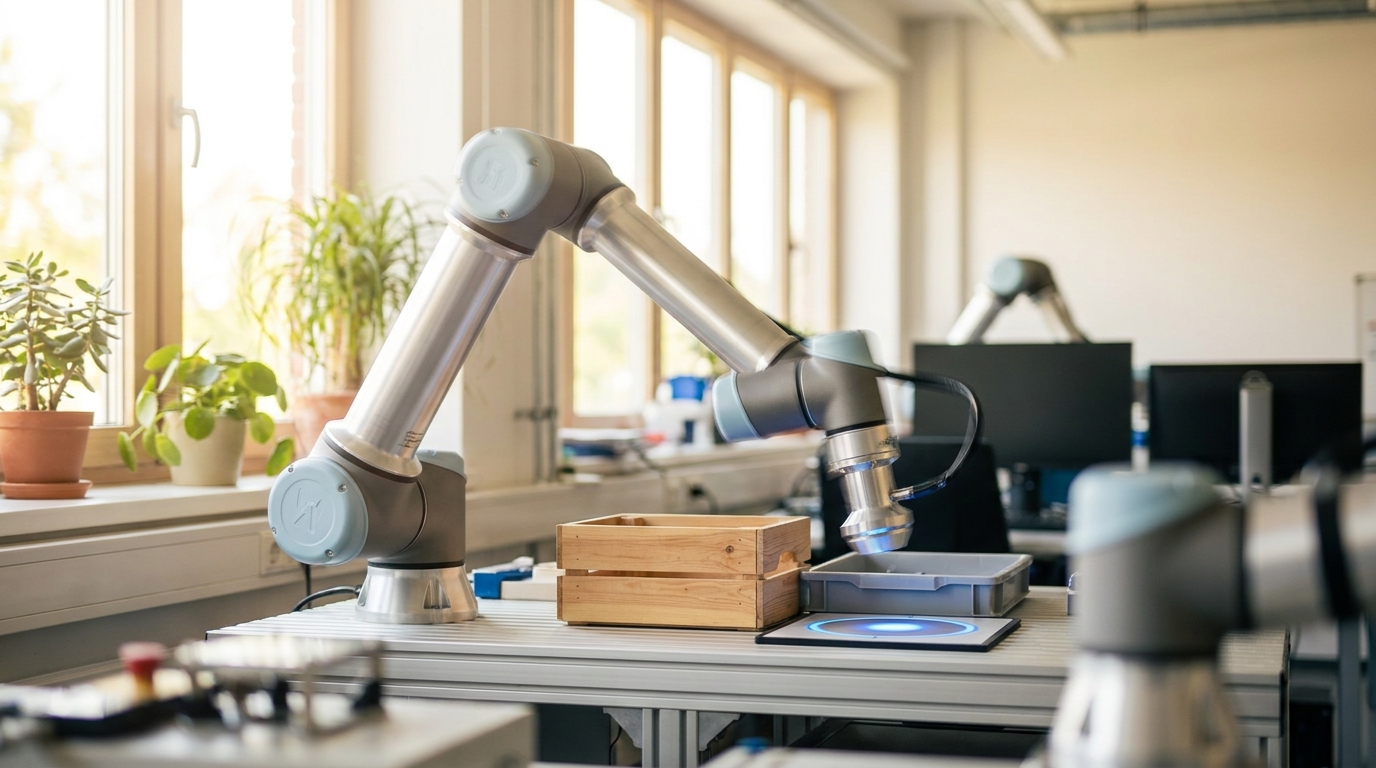
Motion Planning with MoveIt 2
Getting joint angles for a target pose is only half the job — the arm still has to travel there without hitting itself or anything else. Learn how MoveIt 2's planning pipelines turn a goal into a safe trajectory.
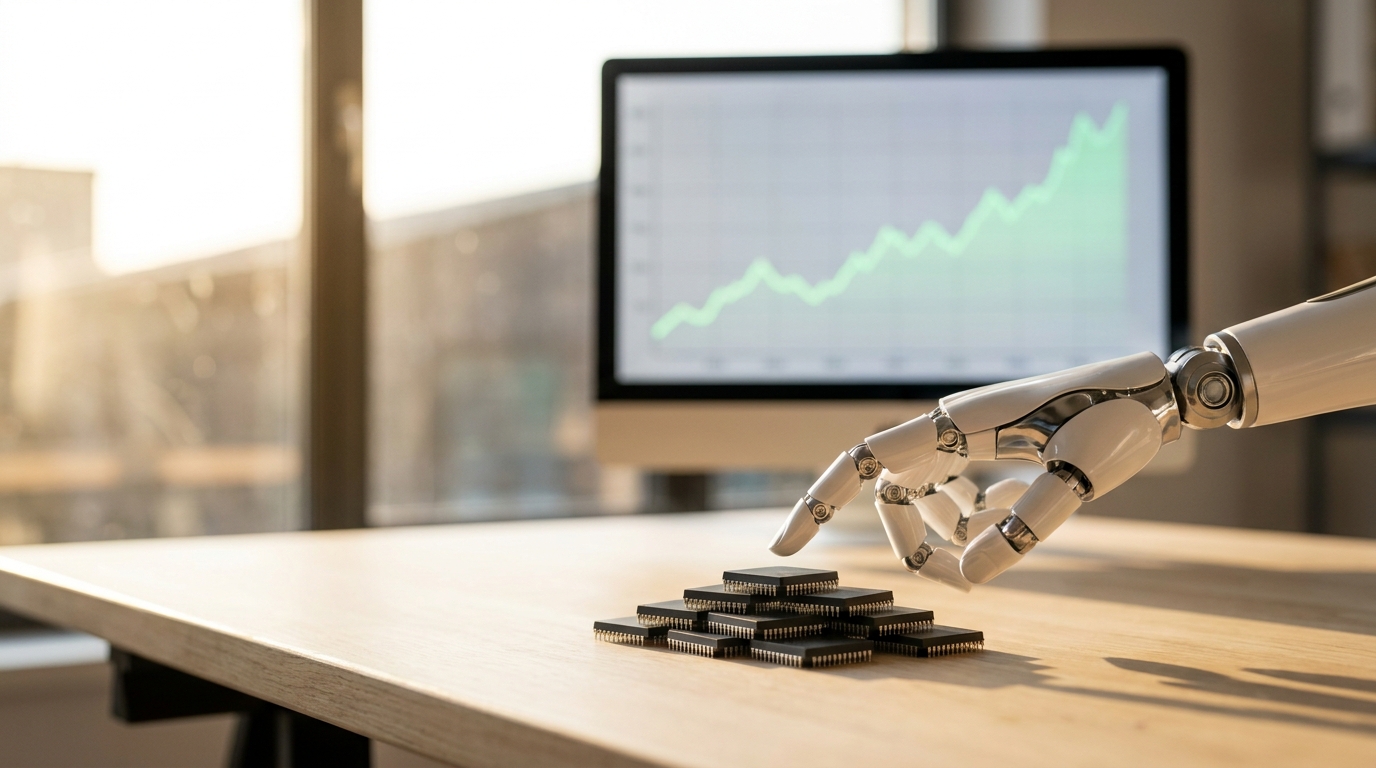
Dispatch #12: China Slams the Brakes on Its Humanoid IPO Boom
A month after Unitree's wild Shanghai debut, Chinese regulators are quietly freezing new humanoid robot listings — even as private money keeps flowing into the chips and data that power the robots themselves.
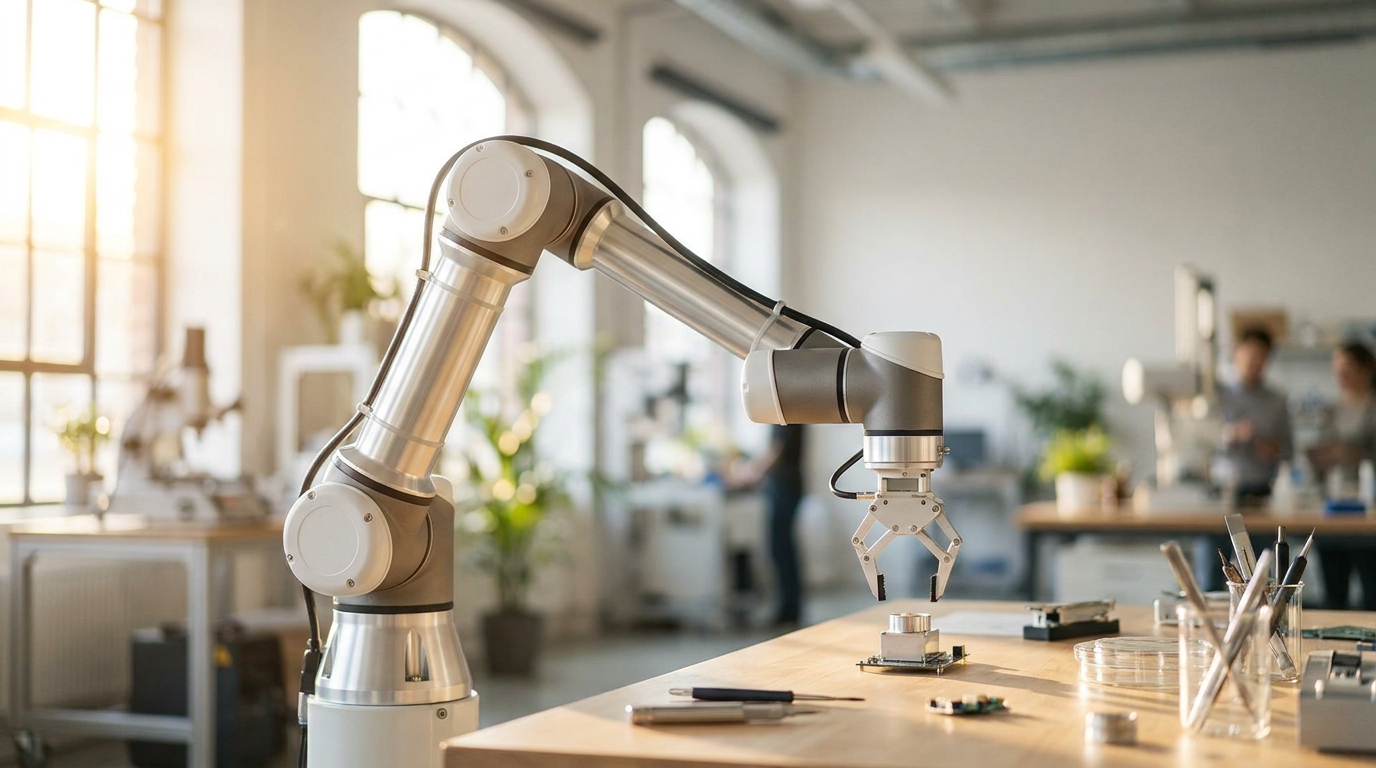
Inverse Kinematics with MoveIt 2
You know where you want a robot arm's fingertip to end up — but the motors only understand joint angles. Learn how MoveIt 2 solves that gap for you, and how to call it from your own ROS 2 code.
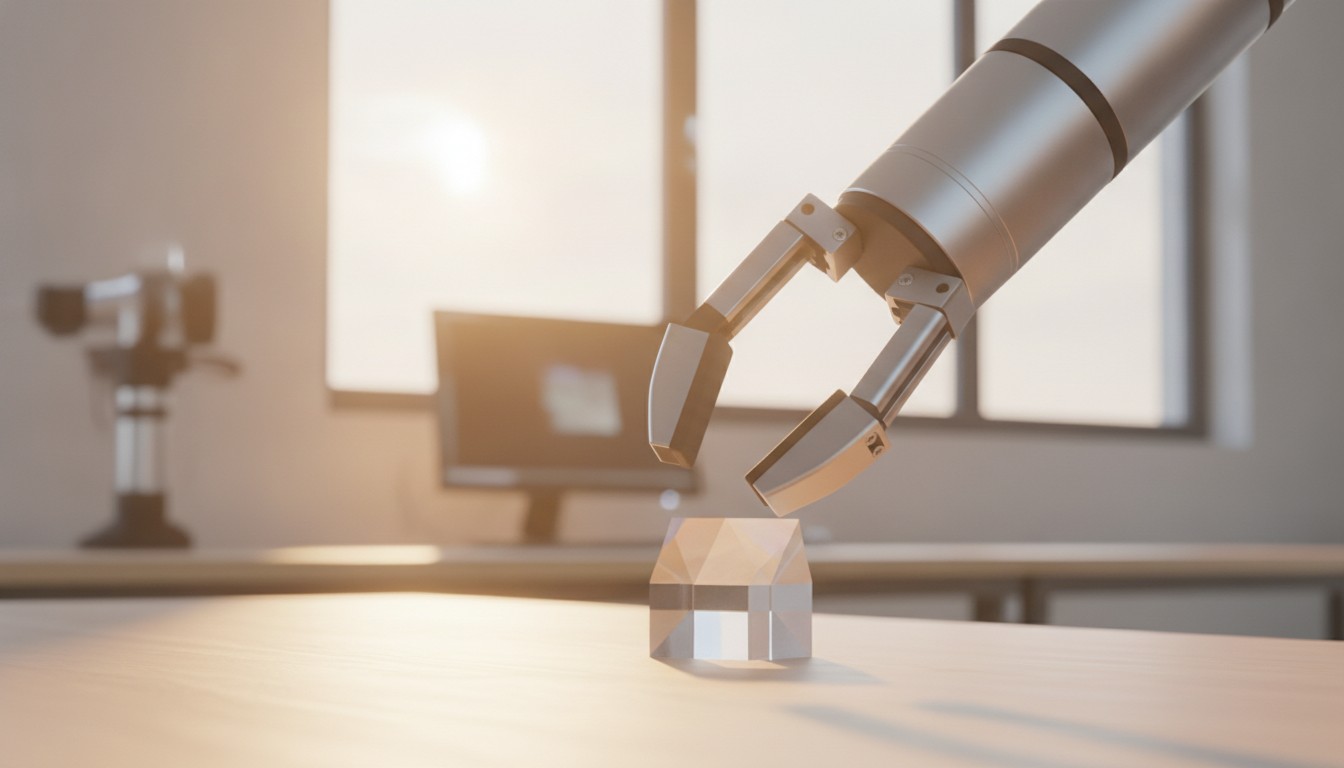
Robot Grippers & End Effectors
A robot arm that can move anywhere is still useless without a hand. Learn the four families of grippers, how ROS 2 commands them as an action, and the pitfalls that make a gripper drop, crush, or ignore what it's holding.
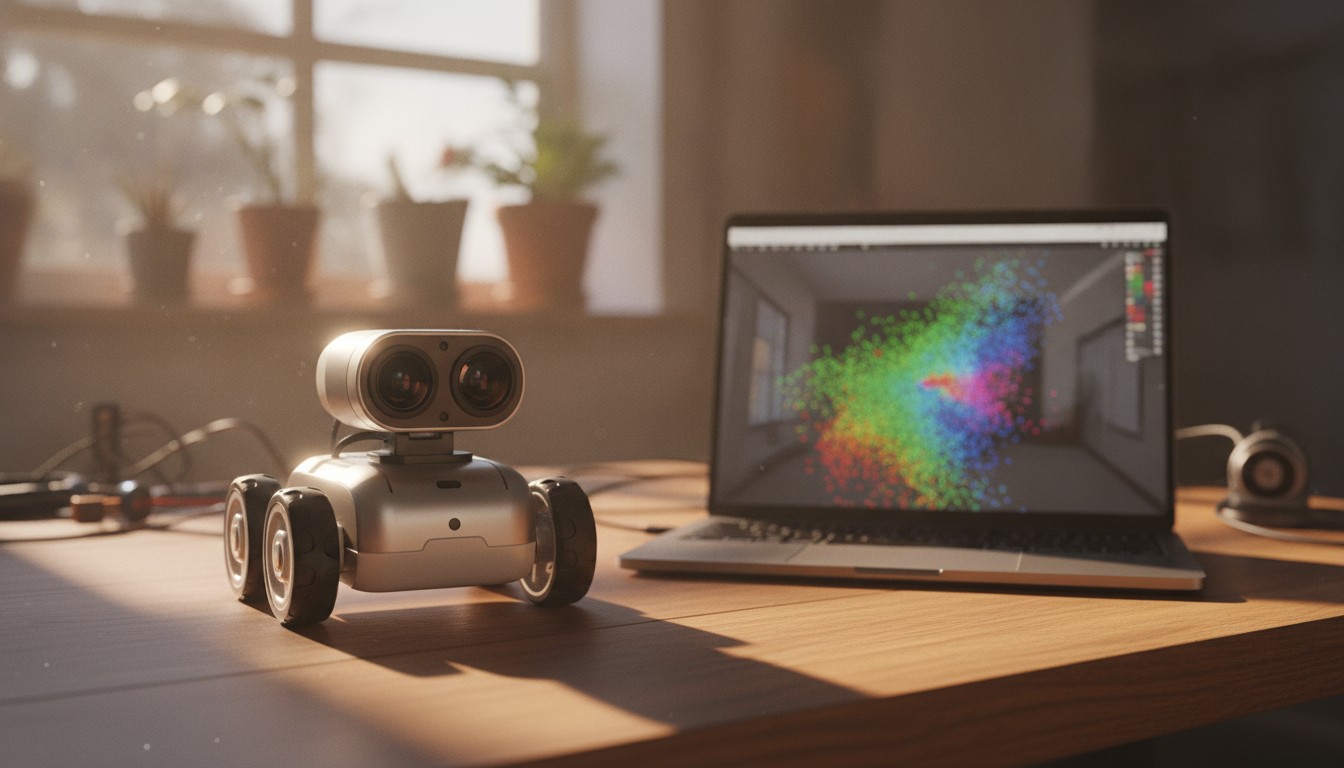
Depth Cameras in Practice (RealSense / OAK)
A point cloud has to come from somewhere. Learn how stereo depth cameras like the Intel RealSense D400 series and Luxonis OAK-D turn two images into a distance for every pixel, and wire one into ROS 2.
Browse by topic
Getting Started
Microcontrollers, first circuits, choosing your platform
Communication
CAN bus, I2C, SPI, UART — making components talk
Sensors & Vision
Cameras, LiDAR, IMUs, and depth sensing
Software & AI
ROS2, reinforcement learning, simulation environments
Mechanics & Build
Motors, 3D printing, chassis design, power systems
Control Systems
PID controllers, feedback loops, motion planning
Robotics Dispatch
Every 4th week: robotics news, tied back to what you're learning